

Why CTV Pause Ads Are the Quiet Power Play in Streaming Advertising
By MarkOTT
Published On June 11, 2025
As connected TV (CTV) advertising matures, marketers are exploring new formats that blend high engagement with a light touch. Among the most promising innovations? Pause ads are a clever and non-intrusive way to meet viewers exactly where they are: on their terms.
⏸ What Are Pause Ads?
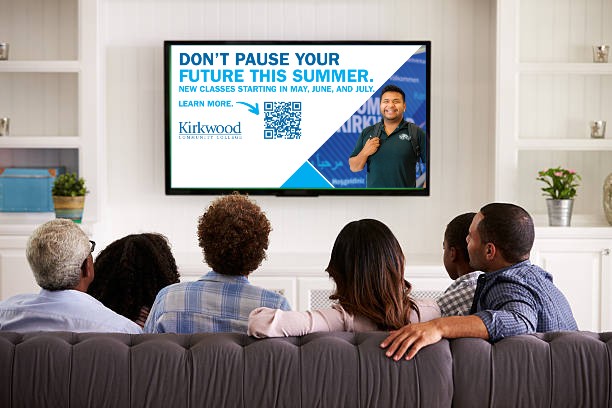
Pause ads appear on screen when a viewer pauses a streaming show or movie. Instead of interrupting content, these ads surface during a moment of intentional engagement, when the viewer has chosen to stop the action.
Typically, they appear as static or lightly animated creatives (like branded overlays or banners) and disappear once the viewer resumes playback. They often feature soft calls-to-action, such as QR codes, product info, or seasonal messaging.
📺 Why They Work
In a media landscape full of distractions, pause ads create an unusually high-attention moment. Here’s why they’re gaining traction:
- User-controlled timing: Because viewers initiate the pause, the ad doesn’t feel forced or interruptive.
- Longer dwell times: Many users pause to grab a snack, check a message, or talk to someone — giving the ad more time on screen.
- Brand-safe placement: With no risk of being skipped or fast-forwarded, brands get guaranteed visibility.
- High receptiveness: This “break moment” is often calmer and less cluttered, allowing branded messages to land more effectively.
“Pause Ad’s have become a part of the CTV buys across many of our campaigns. Once a user pauses whatever they are watching, our client has now turned their TV into a billboard and we already know that the person who paused the content fits our target market. Almost all of the Pause Ads that we buy are using large QR codes.” says CEO of Over The Top Marketing, Mark Kaminski.
🧠 Behavioral Psychology at Play
When people exercise control over their media, they feel more empowered. Brands that show up respectfully during that pause (not in the middle of a scene, not during a cliffhanger) are seen as more considerate and less invasive.
This shift reflects a deeper trend in CTV: advertising that aligns with viewer intent and minimizes disruption.
🔍 Who’s Using Pause Ads?
Major platforms have already begun integrating this format:
- Hulu was one of the first to roll out pause ads with brands like Coca-Cola and Charmin, designing them to blend with the streaming environment.
- Peacock and Paramount+ have since followed, often tying ads to specific programming or time-of-day.
- Amazon Freevee is reportedly experimenting with pause-triggered promotions that connect to retail offers — linking CTV directly to commerce.
💡 Creative Best Practices
- Minimalism matters: Clean, simple visuals perform better than cluttered or aggressive designs.
- Contextual alignment: Ads tied to the paused content (e.g., food during a cooking show) tend to resonate more.
- Interactivity: QR codes or “scan to learn more” options turn a passive moment into a light-touch engagement opportunity.
⚖️ Challenges to Watch
While pause ads show promise, they aren’t without trade-offs:
- Creative fatigue: Overuse or repetitive messaging could annoy viewers if not carefully managed.
- Measurement nuances: Traditional impression tracking doesn’t always capture the quality of engagement in these moments.
- Platform fragmentation: Not all CTV publishers support pause ads yet, and standardization is still evolving.
🚀 The Road Ahead
Pause ads are part of a larger shift toward user-centric ad formats. They offer a sneak peek into the future of CTV advertising: subtle, smart, and seamlessly woven into the viewing experience.
For marketers, this means thinking beyond the :30 spot and reimagining how — and when — to show up for the streaming generation.
Pause ads are a powerful, underutilized format in CTV advertising. They deliver attention without interruption — and in a world of skippable everything, that’s a game-changer.
Interested in integrating pause ads into your next campaign? Let’s talk about how Over The Top Marketing can bring your brand into the your potential customer’s living room — without ever interrupting the show.